

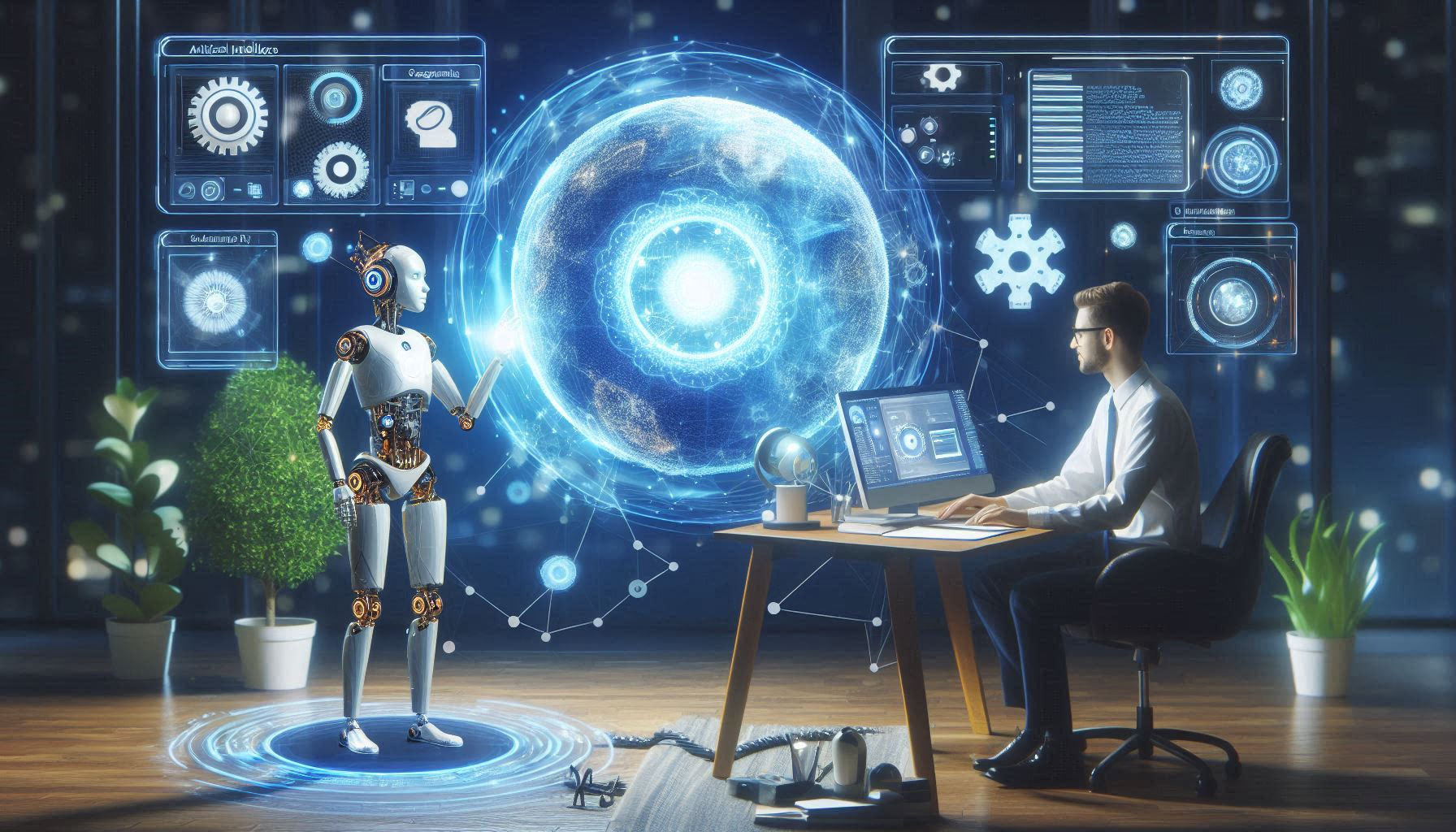
Artificial Intelligence (AI) is increasingly becoming an integral part of our daily lives, and its influence is set to expand even further in the future. As technology continues to advance at a rapid pace, AI’s capabilities are evolving, leading to transformative changes across various sectors. From healthcare and education to transportation and personal entertainment, AI is poised to revolutionize how we interact with the world around us.
One of the most significant areas where AI will make a substantial impact is healthcare. With its ability to analyze vast amounts of data quickly and accurately, AI can enhance diagnostic processes, personalize treatment plans, and predict patient outcomes more effectively than ever before. Machine learning algorithms can identify patterns in medical images that might be invisible to the human eye, enabling early detection of diseases such as cancer. Furthermore, AI-powered health monitoring devices can continuously track vital signs and alert individuals or healthcare providers about potential health issues in real time.
In education, AI has the potential to transform traditional learning methodologies by providing personalized educational experiences tailored to individual needs. Intelligent tutoring systems can adapt content delivery based on a student’s pace and understanding level, ensuring no learner is left behind. Additionally, natural language processing technologies enable the development of sophisticated virtual assistants that can answer students’ questions instantly or provide additional resources for deeper comprehension.
The transportation sector is also on the brink of an AI-driven revolution with autonomous vehicles leading the charge towards safer roads and efficient traffic management systems. Self-driving cars promise not only convenience but also reduced accidents caused by human error. As these technologies become more refined through rigorous testing and regulatory approval processes worldwide, their integration into everyday life will redefine urban mobility landscapes.
Moreover, smart home devices powered by Artificial Intelligence are becoming commonplace fixtures within households globally—enhancing comfort while optimizing energy consumption simultaneously through intelligent automation features like adaptive lighting controls or predictive maintenance alerts for household appliances before they break down unexpectedly.
Entertainment experiences have been transformed significantly due largely in part due advancements made possible via machine-learning techniques employed within recommendation engines used extensively today across streaming platforms such as Netflix or Spotify; users receive highly personalized suggestions catered specifically towards preferences derived from analyzing viewing/listening habits over time thereby increasing engagement levels exponentially compared previously available options limited solely based upon general popularity rankings alone which often failed capture nuanced tastes held among diverse audiences worldwide seeking unique content offerings suited perfectly them personally rather than generic fare appealing masses broadly speaking instead overall satisfaction rates higher when personalization implemented correctly too!
While there remain valid concerns surrounding privacy security ethical considerations associated widespread adoption artificial intelligence technologies society must address collectively ensure benefits outweigh risks involved moving forward responsibly embracing innovations presented us harnessing full potential ultimately improving quality life everyone equally irrespective background circumstances faced individually together united common goal progress shared prosperity achieved sustainably inclusive manner benefiting humanity entirety long-term perspective envisioned here today tomorrow alike!